Protect Your Drinking Water Supply
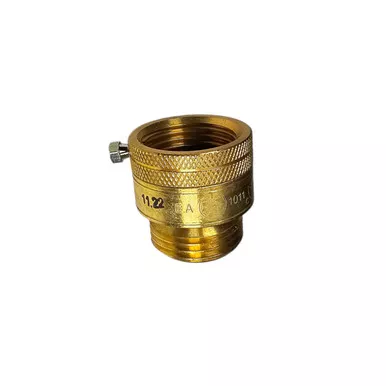
A Vacuum Breaker is a critical safety component for any home irrigation system. Its primary function is to prevent back-siphonage—stopping contaminated water, fertilizers, or soil bacteria from being pulled backward out of your drip lines and into your household drinking water. Most municipalities require a backflow prevention device at the start of any irrigation system, regardless of whether you inject fertilizers.
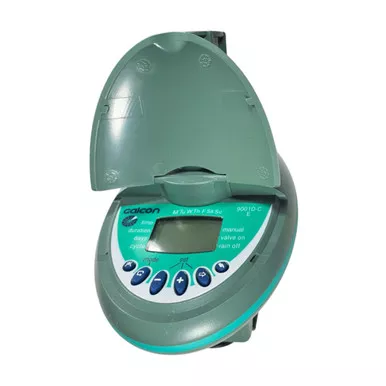
These hose-threaded vacuum breakers are designed to be installed at your outdoor faucet. However, they are not rated for constant municipal pressure. To prevent the internal mechanism from failing and leaking, you must install the vacuum breaker after any automated hose-end timers or valves, so it is only pressurized when the water is actively flowing. Always check your local building codes to ensure compliance with specific backflow requirements in your area.
- Safety First: Reliably prevents contaminated irrigation water from back-siphoning into your clean municipal or well water supply.
- Code Compliance: Meets standard requirements for basic residential backflow prevention on hose-bibb connected systems.
- Material Options: Available in both durable plastic and heavy-duty solid brass configurations to suit your budget and durability needs.
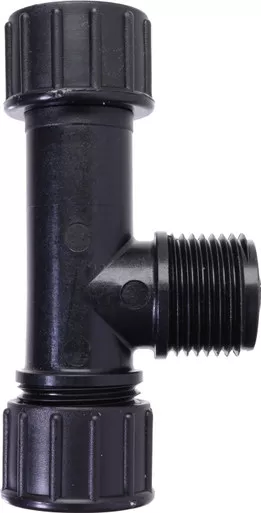
- Standard Fit: Features Female Hose Thread (FHT) by Male Hose Thread (MHT) connections for seamless integration into your head assembly.
Detailed specifications for system planning.
| Specification | Details |
|---|---|
| Connection Type | FHT (Female Hose Thread) x MHT (Male Hose Thread) |
| Pressure Range | 0 – 100 PSI |
| Pressure Loss | 10 PSI loss at 8 Gallons Per Minute (GPM) |
| Constant Pressure Rating | No (Must be installed after valves/timers) |
Will this Vacuum Breaker restrict my water flow during peak summer watering?
Yes, a Vacuum Breaker will partially restrict pressure. At a flow rate of 8 gallons per minute (GPM), you will experience a 10 PSI pressure loss through the device.
When planning your summer watering schedule or expanding your zones, be sure to account for this pressure drop when selecting your downstream pressure regulator and emitters.
Where should I install the Vacuum Breaker in my head assembly?
Always install the Vacuum Breaker after your automated water timer or valve, but before your filter and pressure regulator.
Installing it after the timer ensures the device is not under constant municipal pressure when the system is off, which prevents the internal seals from failing and leaking.
Why does my Vacuum Breaker leak water when the timer shuts off?
A brief spurt of water from the Vacuum Breaker when the system shuts off is completely normal. This indicates the internal valve is dropping open to allow air into the line, successfully breaking the vacuum.
However, if the device leaks continuously while the system is running, the internal washer may be damaged or seated incorrectly, and the unit should be replaced.
Do I need a Vacuum Breaker if I don’t use a fertilizer injector?
Yes, even without a fertilizer injector, you need a Vacuum Breaker. Drip emitters rest on the soil, and a sudden drop in city water pressure can siphon dirt and bacteria back into your drinking water.
Furthermore, most local building codes mandate backflow prevention on all outdoor irrigation connections, regardless of chemical use.